



Safety First: How to Vet International Hospitals and Doctors (Your Trust Checklist)
Introduction: The Barrier to Entry (Fear of the Unknown)
The financial pull of medical tourism is undeniable. You can save tens of thousands of dollars on a necessary knee replacement or get that life-changing dental work without the agonizing wait. However, for most North Americans, the moment they consider booking surgery outside the US or Canada, a critical question arises: Is it safe?
That fear—the uncertainty about foreign standards, language barriers, and finding a trustworthy doctor—is the biggest obstacle to converting a potential medical traveler.
Fact/Data Point: While the medical tourism industry is regulated by market forces and international standards, the risks of complications are often amplified when choosing a non-accredited or budget-focused facility. Your personal vetting process is the most crucial step you will take. This guide gives you the non-negotiable checklist to ensure safety and quality.
Pillar 1: Accreditation is Your Gold Seal of Approval
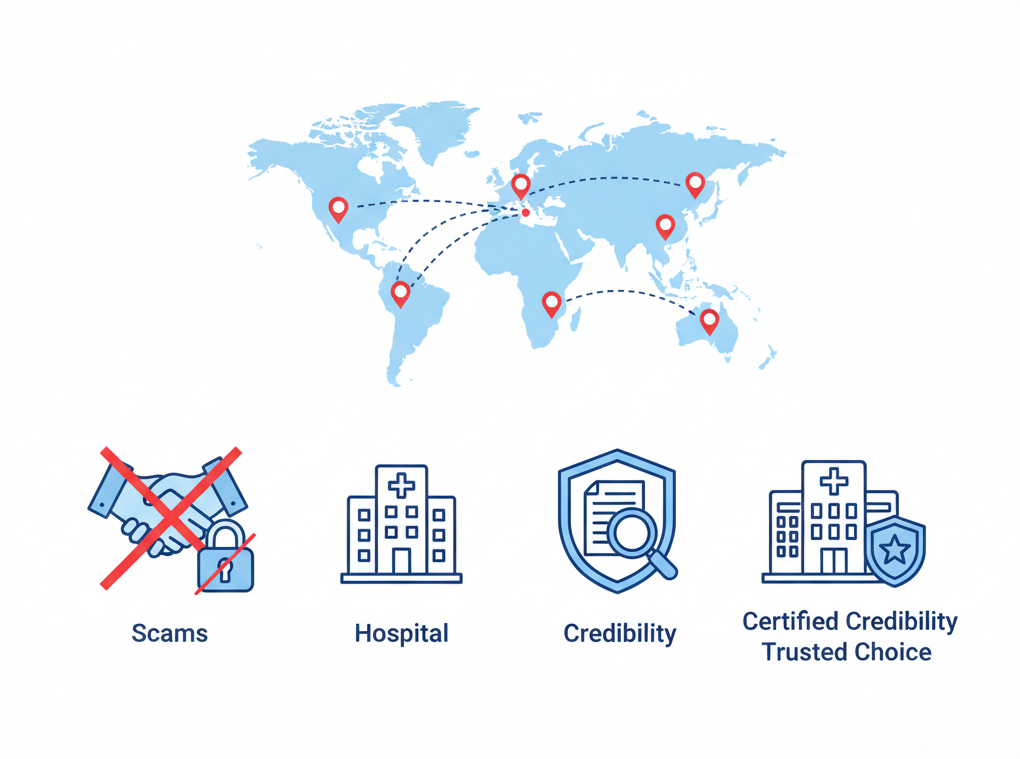
You should never choose a hospital that cannot verify its adherence to international safety standards. The most reliable assurance you can get is Joint Commission International (JCI) accreditation.
The Global Gold Standard: Joint Commission International (JCI)
-
What it is: JCI is a non-profit organization that rigorously audits and certifies healthcare organizations worldwide. Their standards are based on strict, evidence-based protocols that cover every aspect of patient safety, including infection control, surgical protocols, medication management, and staff competency.
-
Why it Matters: A JCI-accredited hospital demonstrates that it has voluntarily committed to meeting the highest global benchmarks for quality—the same caliber of standards upheld by top US hospitals. It removes the guesswork from quality control.
-
How to Check: Hospitals proudly display the JCI Gold Seal. If they don't, you can (and must) verify their status directly through the JCI public directory. If a hospital isn't JCI-accredited, proceed with extreme caution and high skepticism. [Backlink Opportunity: Link the phrase "JCI public directory" to your internal page with JCI links/info.]
Pillar 2: Vetting Your Surgeon's Credentials and Experience
An accredited hospital provides the environment, but the surgeon provides the skill. Your surgeon should be an open book.
-
Specialization and Training: Demand to see the surgeon's CV. They must be certified in the specific procedure you need—a general surgeon should not be performing complex plastic surgery. Look for evidence of training and fellowships from reputable institutions in the US, Canada, or Western Europe (e.g., they may be a member of the American Board of Plastic Surgery or the Royal College of Surgeons).
-
Volume and Success Rates: Ask direct questions about their experience. "How many Total Knee Replacements have you performed in the last year?" High volume (and documented, audited success rates) often correlate with reduced complications and better outcomes. Be wary of a surgeon who is vague about their procedure numbers.
-
Team Quality: Ask about the surgical team, especially the anesthesiologist. Inquire about the quality of the post-operative nursing care, which is crucial for a smooth recovery.
Pillar 3: The Logistical Safety Net (Aftercare and Communication)
Patient safety doesn't end when the surgery is complete; the recovery and return home are the most risk-prone phases of medical tourism.
-
Communication is Non-Negotiable: A language barrier can be deadly. Confirm that the hospital provides dedicated, fluent multilingual patient coordinators and translators who are available 24/7 during your stay. You must be able to understand the consent forms, medication instructions, and complication warnings perfectly.
-
The Aftercare Protocol: You need a plan for when you are back home. Ask these crucial questions:
-
What is the policy for a rare complication that requires re-treatment? (Reputable facilities will offer a clear protocol, and potentially cover re-treatment costs if the complication is directly related to the surgery).
-
Will I receive my complete medical records, including surgical notes and discharge summaries, in English? (Essential for your home physician).
-
Is medical travel insurance recommended or required? (Standard travel insurance often doesn't cover medical complications from elective procedures—you need specialized medical travel insurance). [Backlink Opportunity: Link "medical travel insurance" to your internal blog post: "The Hidden Cost: Do You Need Medical Complication Insurance for Surgery Abroad?"]
-
-
Don't Rush Home: The risk of VTE (Venous Thromboembolism, like DVT or pulmonary embolism) is highest in the weeks following surgery. Never fly home before the mandatory post-operative stay recommended by your surgeon—this time is critical for early detection and stabilization.
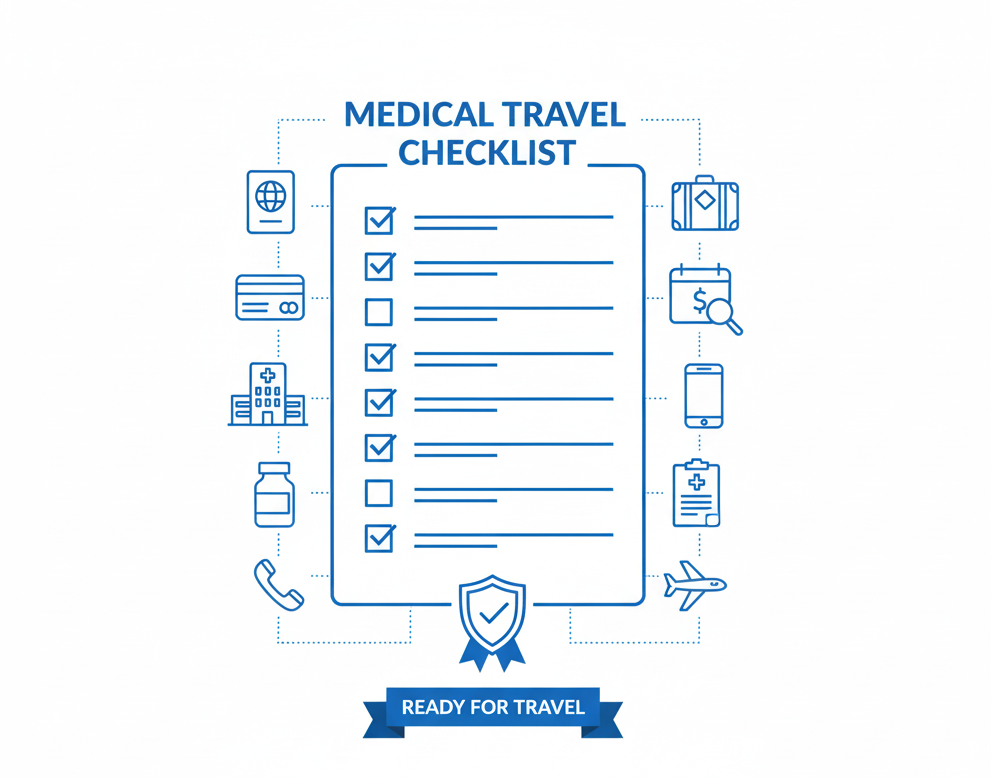
The Final Checklist: Red Flags to Avoid
As you compare options, watch out for these immediate signals to walk away:
-
The Lowest Price Wins: If a package price is drastically lower than all other accredited facilities, there are almost certainly corners being cut on implant quality, staffing ratios, or surgical time. Prioritize value over the absolute cheapest price.
-
Lack of Transparency: Refusal to provide a surgeon's full CV, the brand of medical material (implant, veneer, etc.), or a line-by-line cost breakdown.
-
No Post-Op Plan: If they are vague about what happens once you return home or the policy on complications.
Conclusion: Choose Quality, Not Just Cost
Medical tourism is an accessible, high-quality solution to North America's healthcare crisis, but it is not a risk-free endeavor. By making JCI accreditation and full surgeon transparency your non-negotiable standards, you empower yourself to confidently reduce risks. You choose quality, and you choose a safe, successful path to better health.
Ready to compare JCI-accredited options? Contact us today to receive a vetted list of surgeons and hospitals for your specific procedure.